The SMM Lie Why Posting Every Day Is Ruining Your Strategy
Let it be a podcast or a YouTube short with a social media guru, there’s one common line everywhere.
“Post daily or forget social media growth.”
Thanks to this dilemma, marketers panic if they miss a day, and churn out content like factory lines.
But here's the problem:
Posting every day might be the very thing that's killing your growth. Engagement drops, quality suffers, and your audience tunes out. In the race for visibility, strategy is being sacrificed at the altar of frequency.
If you’re stuck in the content hamster wheel, it’s time to hit pause. Let’s expose the SMM lie and why posting every day is ruining your strategy.
The Daily Posting Doctrine and Where It Came From:
The idea that you must post every day to grow on social media didn’t appear out of thin air. It was born from hustle culture (a mindset that equates nonstop output with success).
As platforms like Instagram and Twitter exploded, early adopters who posted frequently saw rapid growth. Naturally, the “post daily” mantra became gospel.
But, what worked in 2014 doesn’t work in 2025. Back then, competition was low, organic reach was high, and the algorithmic playing field was less crowded.
Now, platforms prioritize quality interactions over quantity. Posting just to stay “active” not only exhausts creators but also trains your audience to scroll past you.
Why Posting Every Day Is Ruining Your Strategy: Explained in 4 Phases:

We’ve been sold the dream: if you just post every day, growth will follow.
However, posting every day without a strategy is doing more harm than good. Behind the illusion of consistency lies a series of hidden costs that are slowly draining your brand and audience.
Phase 1: Preferring Quantity Over Quality, Content Starts to Underperform
When you focus on how often you post, you stop focusing on what you’re posting.
The content becomes rushed. Half-baked ideas get pushed out just to hit your daily quota. You end up recycling the same thoughts with slightly different wording, or worse, churning out filler content that offers zero value.
The result? Engagement drops. Not because your audience doesn’t like you, but because you’re not giving them a reason to care. Your posts become background noise. And when everything you post starts sounding the same, people stop paying attention altogether.
Phase 2: The Algorithm Fatigue, Low-Engagement Posts Start Hurting Reach
Every post is a data point. If you publish seven posts a week and five of them get low engagement, the algorithm doesn’t just ignore those five, it weighs them against you.
Low-performing content sends a signal that your posts aren't worth surfacing.
This is true across all major platforms like LinkedIn, TikTok, Instagram, Facebook, and even YouTube. Algorithms prioritize content that sparks interaction: saves, shares, comments, and watch time.
Phase 3: Burnout Is Real For You and Your Audience
SMMs are also humans.
If you’ve ever sat staring at your screen wondering, “What the hell do I post today?”, that’s a serious problem.
Daily posting creates a constant pressure loop. It turns social media from a creative tool into a to-do list you never complete.
But here's the part social media managers don’t often acknowledge: your audience gets tired, too.
If you’re always in their feed but rarely say something new or interesting, they’ll start tuning you out. That’s cognitive fatigue. Your posts become invisible, even if they're technically being “seen.”
Phase 4: Audience Desensitization
When social media managers keep repeating the same message over and over again, there’s a psychological term for what happens: desensitization.
In marketing terms, that means your message loses its punch. The first time you say something bold, people notice. The 20th time, they scroll right past it. By posting daily, especially when you’re not saying anything new, you inadvertently numb your audience to your brand.
Think of it like overusing a marketing hook. If you’re constantly “selling” with every post, people stop believing you. If every caption is a call-to-action, users start to feel manipulated.
The Perfectly Balanced Content Strategy for Outperforming Your Competitors
A high-performance content strategy is about showing up with purpose.
If your competitors are flooding feeds with forgettable posts, you have a golden opportunity: cut through the noise with a strong system that delivers outsized results with fewer, smarter moves.
Here’s a five-step strategy designed to outperform, not outpost.
Step 1: Set Specific, Platform-Aligned Goals
Before you open a calendar or brainstorm content, ask: What are we actually trying to achieve?
-
Brand awareness? Focus on reach and shareable formats.
-
Lead generation? Prioritize educational content and clear CTAs.
-
Community building? Invest in two-way conversations and a consistent voice.
-
Sales or conversions? Use social proof, storytelling, and funnel-focused assets.
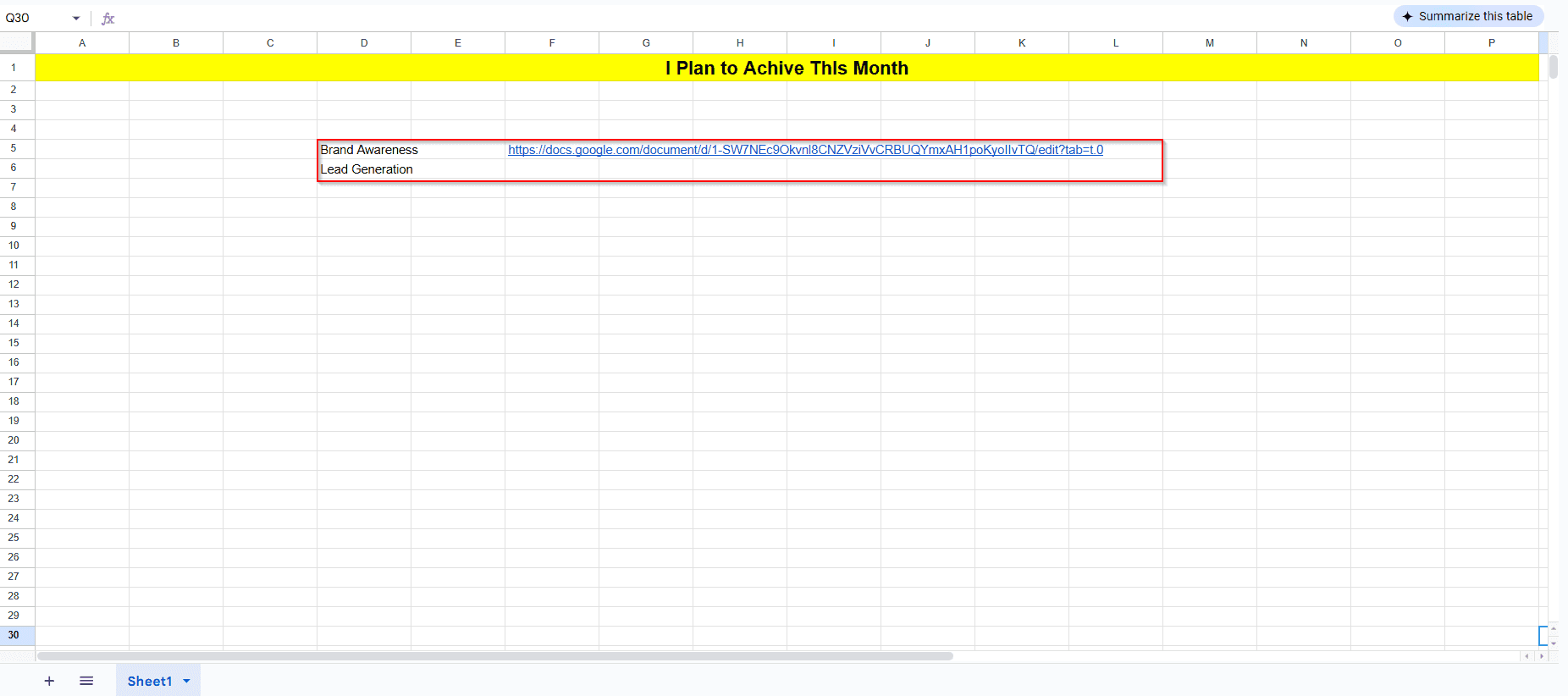
Each platform has different strengths. Choose 1–2 core platforms, map clear KPIs to each, and discard everything that doesn’t serve those goals.
Step 2: Limit Posting to 3–5 High-Value Days Per Week
Publishing 3 to 5 high-impact posts a week gives your audience breathing room and gives your content time to work.
The algorithm needs time to distribute. People need time to engage. Spacing outposts allows for organic lift and makes each message feel more intentional.
A sample structure (You can generate one from Chatgpt):

-
Monday: Insightful thought leadership or “problem framing” post
-
Wednesday: Solution-oriented content or behind-the-scenes execution
-
Friday: Community-centric or conversion-focused post
-
Optional: Tuesday/Thursday slots reserved for content that earns its way in
Step 3: Anchor Your Strategy With 3–5 Content Pillars
No more guessing what to post. Content pillars create structure, clarity, and long-term consistency.
Your content pillars should align directly with:
-
Your brand values
-
Your audience’s pain points and aspirations
Your business goals
Some examples of effective pillars are:
-
Educational: Tips, industry breakdowns, frameworks
-
Authority-building: Thought leadership, predictions, unpopular truths
-
Community: Testimonials, polls, user-generated content
-
Conversion: Offers, case studies, product spotlights
-
Cultural: Timely commentary, light-hearted engagement
Step 4: Automate 70% of Distribution (and Save the 30% for Impact)
Time is a non-renewable resource. Automation unlocks leverage.
Use a scheduling tool like AutoPost.io to queue 70% of your weekly content. This ensures you stay visible even when your team is busy closing deals or deep in creative work.
Here’s how to do it without losing authenticity:
-
Batch your content weekly: Set aside 2–3 hours for creation and scheduling
-
Use templates and frameworks to reduce creative friction
-
Schedule in 3-day blocks to maintain space for real-time engagement or pivots
Then use the remaining 30% for high-touch interaction: responding to comments, participating in trends, or posting reactive content that builds trust.
Automation is for supporting the human element in social media management.
Step 5: Build a Monthly Review Loop
Without analysis, strategy is just guesswork in disguise. At the end of each month, run a performance audit:
-
Top 3 posts by engagement and reach: Why did they work?
-
Lowest 3 performing posts: What missed the mark?
-
Post frequency vs. outcome: Did more posts lead to more results?
-
Pillar performance: Are some themes outperforming others?
Use this data to refine how you deliver content. Maybe your “educational” pillar performs best as carousel posts instead of static graphics.
Use analytics as fuel for iteration.
Optional Step 6: Create Evergreen Assets That Compound
You don’t need to reinvent the wheel every week.
Build a bank of evergreen content, assets that deliver value month after month. These could be:
-
High-performing posts you repurpose quarterly
-
Evergreen videos you repost on different platforms
-
FAQs, how-tos, or templates relevant year-round
Evergreen assets create compounding visibility. One great post, used wisely, can outperform 20 forgettable ones.
Wrap-Up:
Posting daily might make you feel productive, but it’s rarely strategic.
In today’s oversaturated landscape, the brands and creators that win aren’t the loudest but the smartest.
By rejecting the outdated “post every day” doctrine and replacing it with a lean, high-impact content strategy, you protect your energy and give your audience something worth engaging with.
Before we wrap up, here’s one final principle to keep you aligned:
“Consistency isn’t about frequency, it’s about intention.”
So the next time you’re tempted to post just to stay visible, ask yourself: Is this valuable? Is it aligned? Will this move the needle?